
Georgia's text message privacy laws protect residents from spam texts, prohibiting businesses from sending unsolicited messages. Consumers can opt-out, report incidents to the Attorney General or FTC, and use mobile carrier tools to block unwanted messages. Staying informed about rights and updating app settings bolsters digital security against persistent spammers.
In Georgia, text message privacy protections are an essential aspect of digital life. Understanding the state's laws regarding text messages is crucial for all residents. This comprehensive overview delves into the intricacies of Georgia's texting regulations, focusing on spam texts and your rights, privacy best practices, and reporting mechanisms. By exploring these key areas, you'll be better equipped to navigate and protect yourself in the digital landscape, ensuring a safer experience against unsolicited and intrusive text messages.
Understanding Georgia's Text Message Laws

Georgia's text message privacy laws are designed to protect residents from unwanted spam texts and ensure secure communication. The state has implemented regulations that make it illegal for businesses or individuals to send unsolicited text messages, often known as spam, to Georgia consumers. These laws provide a safe harbor for users by giving them the right to opt-out of receiving such messages.
Understanding these rules is essential for both residents and businesses operating within Georgia. In light of the above, it's important to note that compliance with the state's text message privacy protections can help prevent legal repercussions and foster trust between companies and their customers. Remember that adhering to these guidelines ensures a harmonious business-consumer relationship, especially in the digital age where communication via text has become ubiquitous.
Spam Texts: What Are Your Rights in GA?

In Georgia, receiving unwanted or unsolicited text messages, commonly known as spam texts, is a growing concern for many residents. The state has implemented laws to protect consumers from excessive and annoying messaging, offering some relief to those plagued by these intrusive communications. According to the Federal Communications Commission (FCC), it's illegal for businesses to send text messages for marketing purposes without prior explicit consent from the recipient in Georgia, or any other state across the US.
If you find yourself on a spam texts list, you have rights under Georgia's consumer protection laws. You can report these messages to the Georgia Attorney General's office, which actively works to combat fraudulent and deceptive practices, including unsolicited text marketing. Additionally, most mobile carriers offer tools to block and filter out such nuisance messages, providing a practical solution for managing unwanted communication.
Protecting Your Privacy: Texting Best Practices
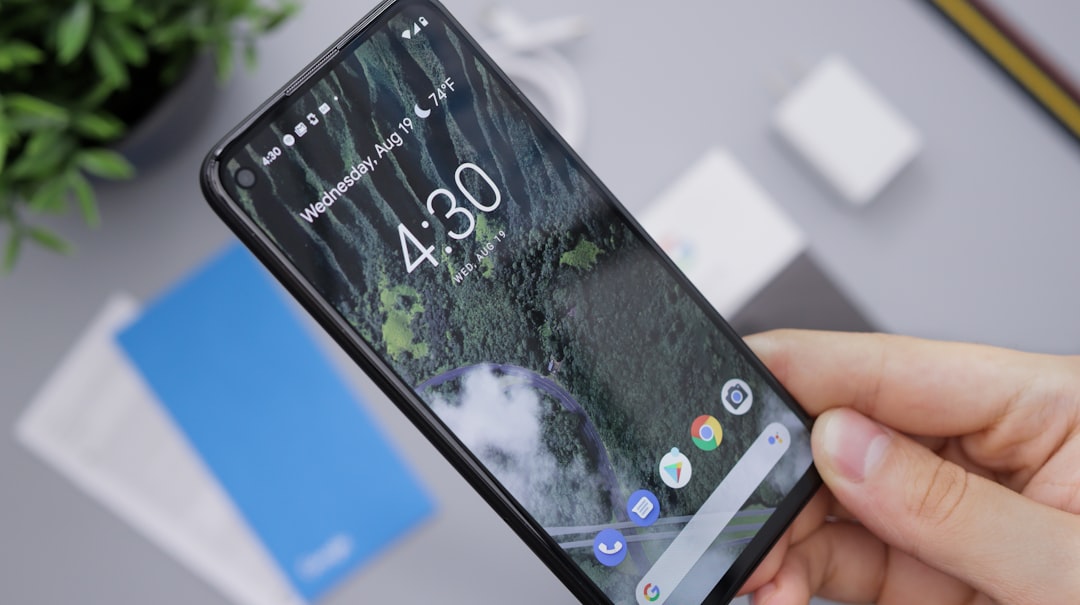
Protecting your privacy while texting is crucial in today's digital age, especially with the prevalence of spam texts. In Georgia, laws are in place to safeguard individuals from unsolicited and unwanted text messages. To ensure your privacy, it's essential to be mindful of how you use text messaging. One best practice is to only share your phone number with people or entities you trust. Be cautious when providing your number online, as it can lead to spam texts.
Additionally, most mobile carriers offer tools to block unwanted messages. Familiarize yourself with these features and utilize them effectively. Regularly reviewing and updating your privacy settings on messaging apps is also recommended. By following these simple practices, you can significantly enhance your text message privacy and reduce the risk of falling victim to spam or phishing attempts, ensuring a safer digital experience in Georgia.
Enforcing and Reporting Text Spam in Georgia

In Georgia, enforcing and reporting text spam is governed by state laws designed to protect consumers from unwanted messaging. If you receive spam texts, it's crucial to understand your rights and options under these laws. According to the Georgia Legal Aid, you can report such incidents to the Federal Trade Commission (FTC) using their online complaint form or by calling their consumer response center. This not only helps in combating spam but also provides valuable data for authorities to track and regulate spammers.
Georgia's laws allow recipients to block future text messages from unknown senders and take legal action if necessary. If you've been a victim of persistent or malicious text spam, consulting with a legal professional familiar with the state's telecommunications laws can help you understand your next steps. Remember, staying informed about your rights is key in maintaining privacy and security in the digital age, especially when it comes to managing spam texts.